01
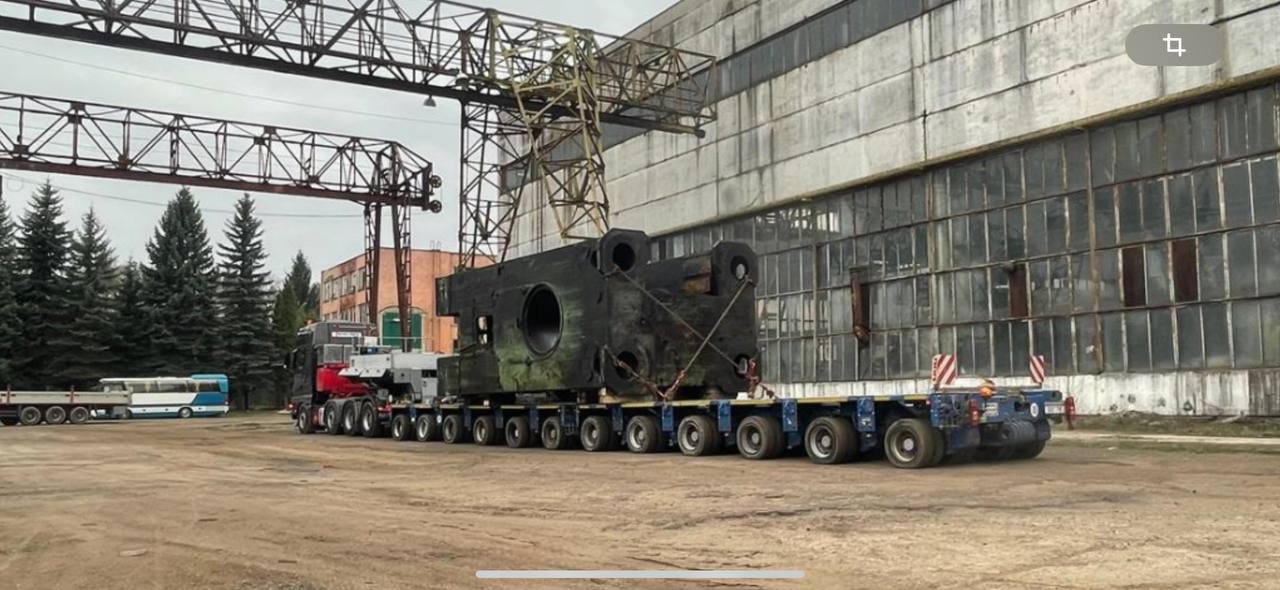
Housings and machine beds
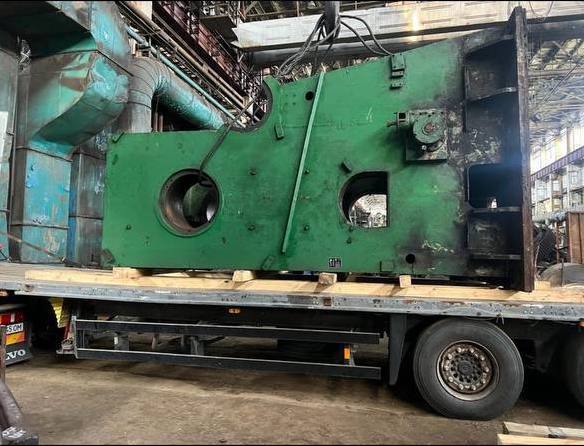
Massive cast and welded structures with limited safe support areas.
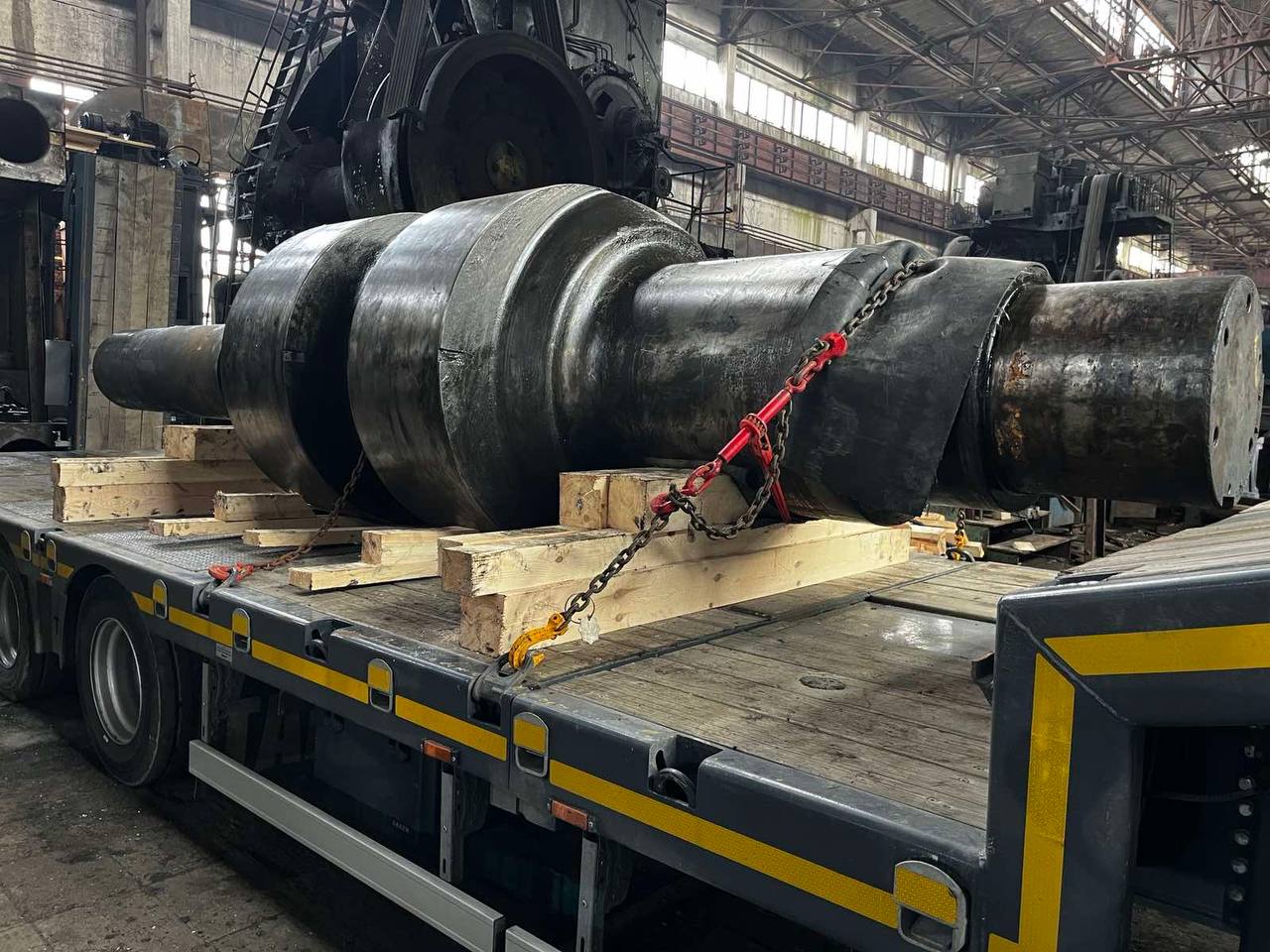
Presses, machine beds, production units, shafts, process lines and other heavy equipment. We select the transport configuration taking into account weight, centre of gravity, support points, cargo geometry and loading conditions.
In heavy industrial units, weight may be concentrated over a limited area. Therefore, the critical factors are not only length, width and height, but also the position of the centre of gravity, support points and the way the load is transferred to the platform.
For machine beds, shafts, presses and process equipment, the transport solution is calculated for the specific design: how to lift the cargo, where to support it, how to position and secure it.
Even with similar weights, equipment may require completely different platforms, support points and loading methods.
Massive cast and welded structures with limited safe support areas.
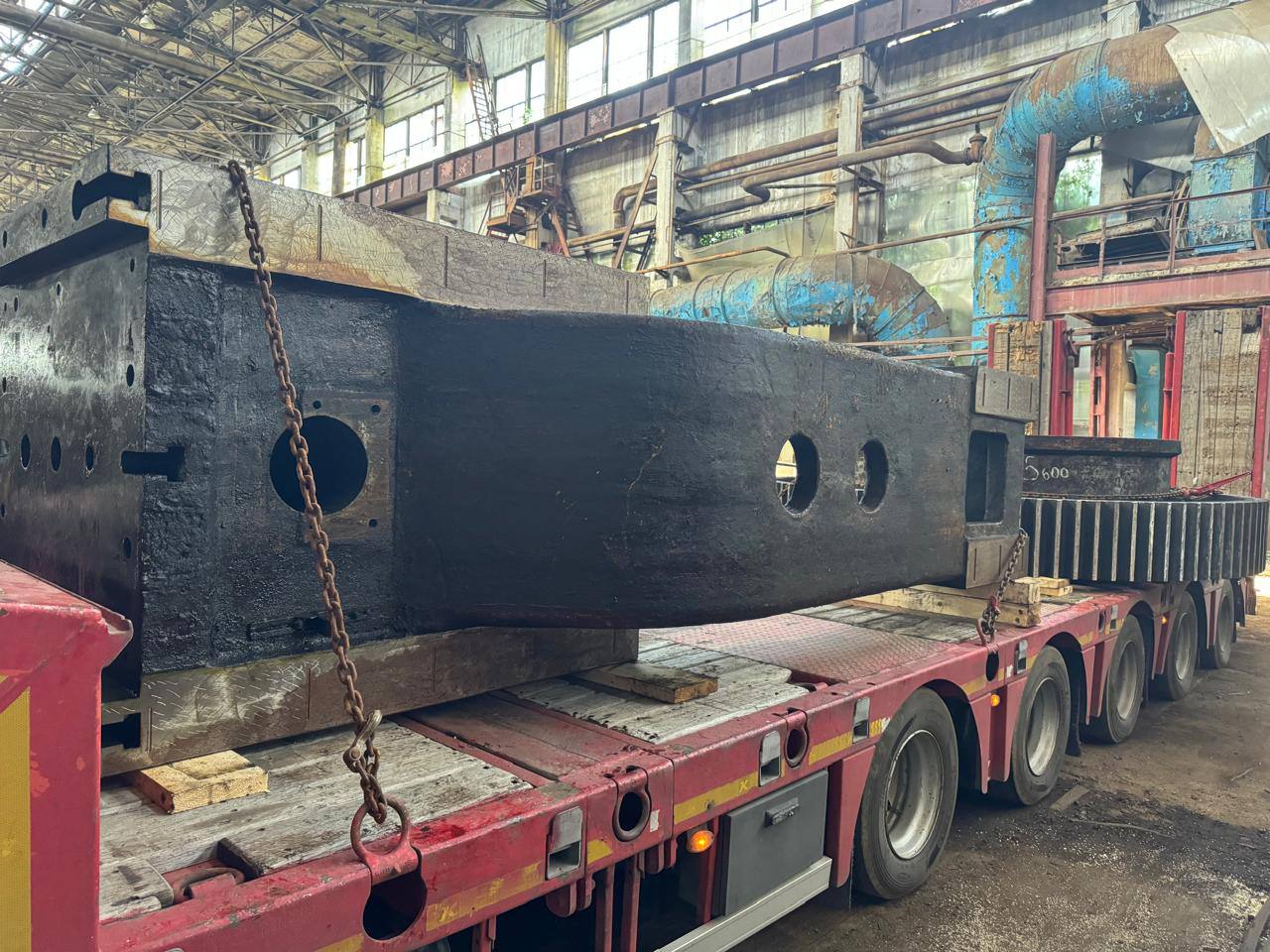
Long components with concentrated weight that require precise positioning.
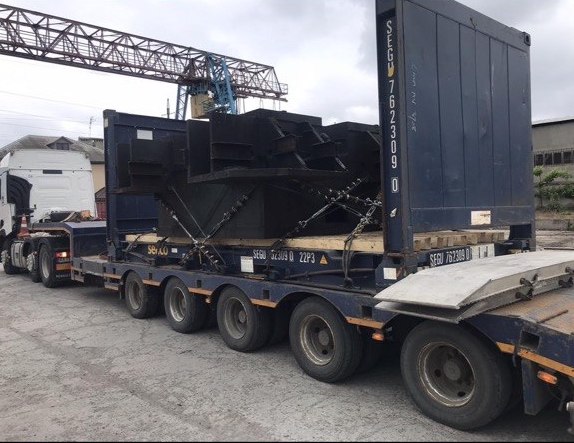
Large production-line units, machinery and individual process modules.
One of the key questions for heavy industrial equipment is where exactly the structure can safely take forces from supports, securing points and lifting equipment.
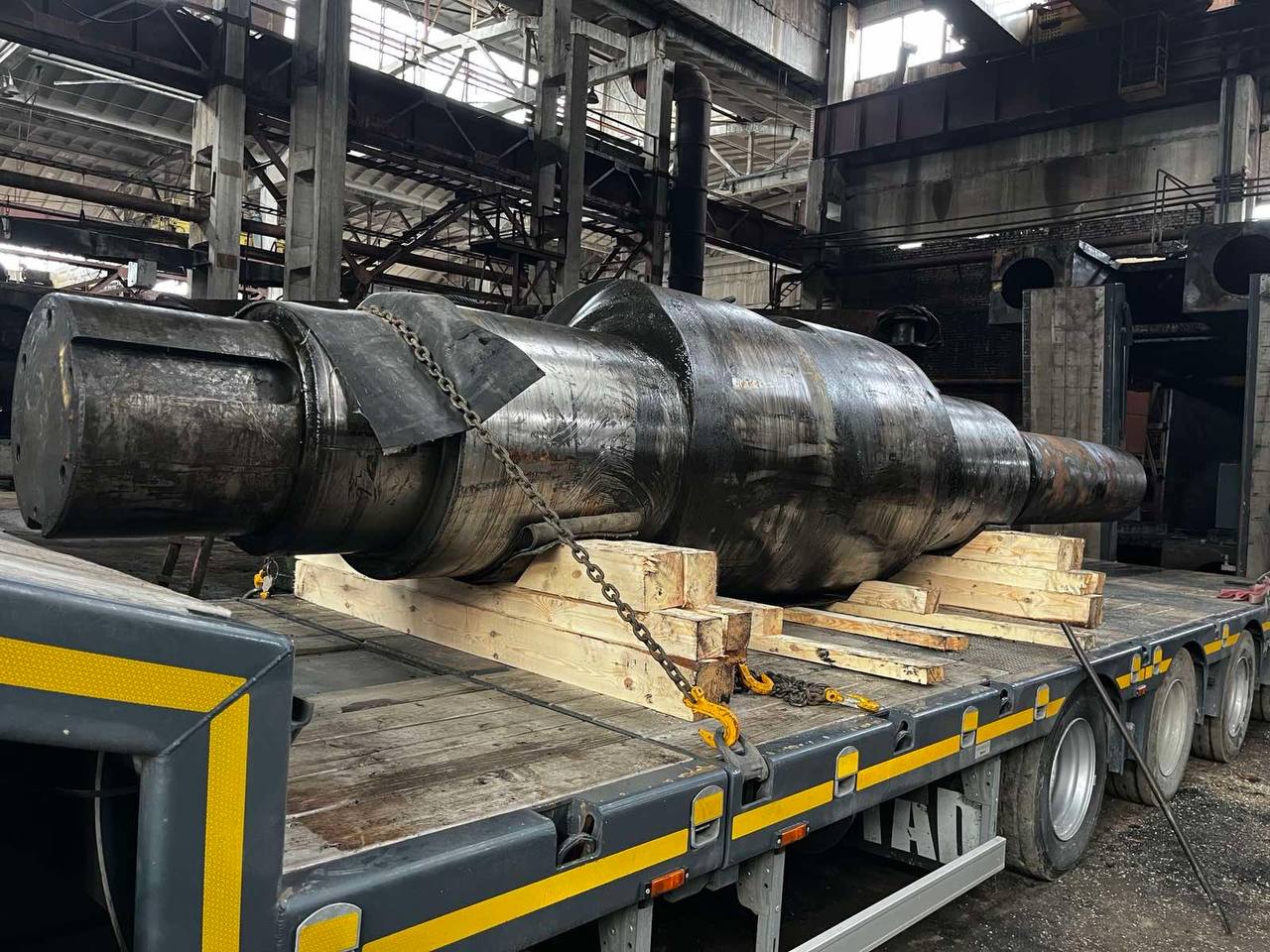
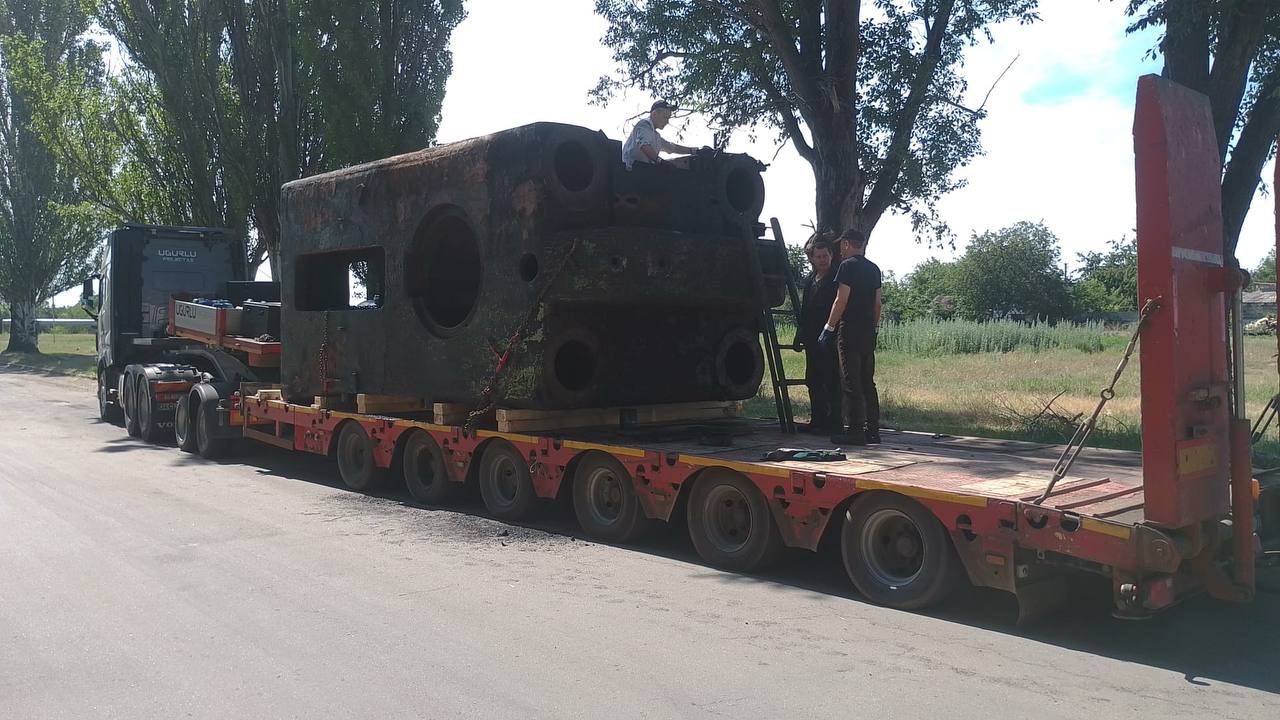
For heavy equipment, it is important not only to provide sufficient carrying capacity, but also correct load transfer through the deck and axle lines.
It must match the support points and cargo geometry.
Determined by weight and allowable load distribution.
The platform affects the final height and the ability to clear route restrictions.
Distribution beams may be used where required, along with pads and positioning elements.
Industrial equipment is often located inside a workshop or on the premises of an operating facility. Therefore, before the transport arrives, it is important to understand how the cargo will be moved to the loading area and how it will be placed on the platform.
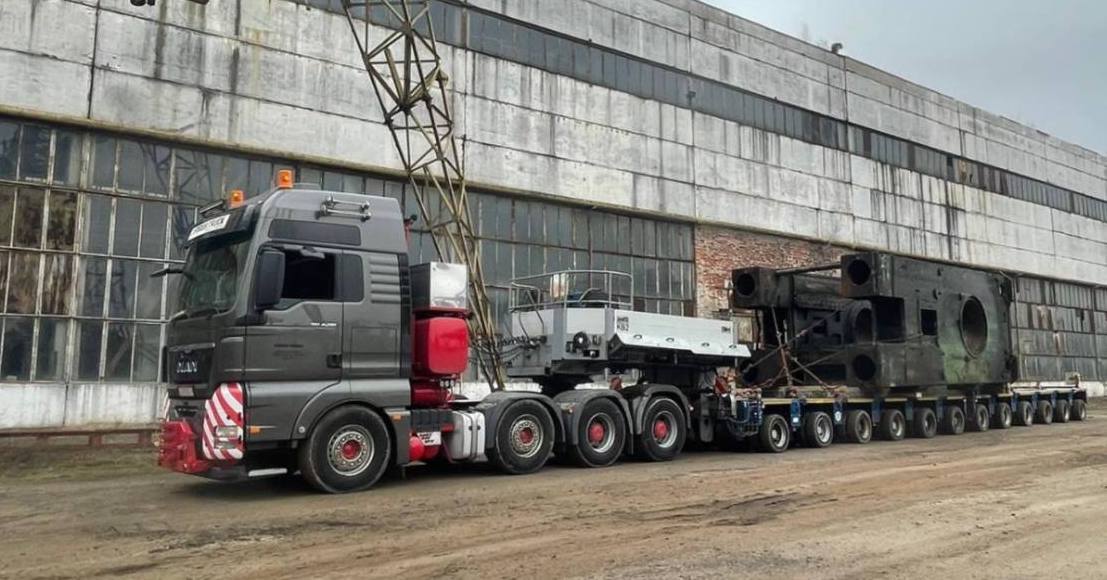
For a massive machine bed, press or rotor, weight may be distributed unevenly. Even a small shift of a heavy unit from its calculated position changes the load on individual axle groups.
Therefore, equipment positioning is checked as part of one complete configuration: cargo + platform + tractor unit.
For heavy industrial equipment, we check not only public roads, but also the exit from the site, internal roads, turning radii and the ability to manoeuvre a long multi-axle vehicle combination.
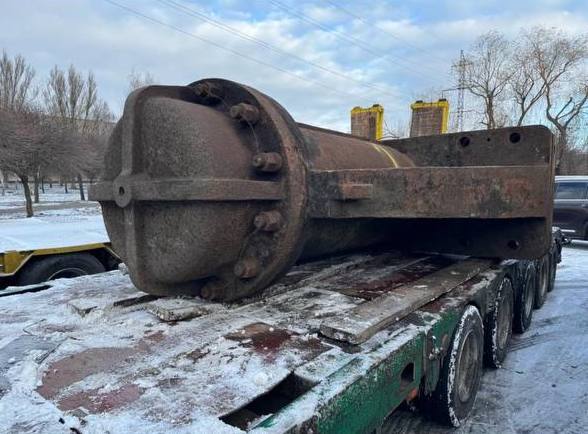
Gates, the area before the exit and manoeuvring space for the vehicle combination.
Bridges, overpasses and infrastructure above the roadway.
Turning radii, intersections and critical sections for a long vehicle combination.
Load restrictions on bridges and road sections.
The project considers the entire journey of the equipment: from the dismantling or storage point inside the facility to the actual unloading point at the destination.
Where required, the transport stage is coordinated with loading, rigging and temporary storage and preparation of the unloading area.
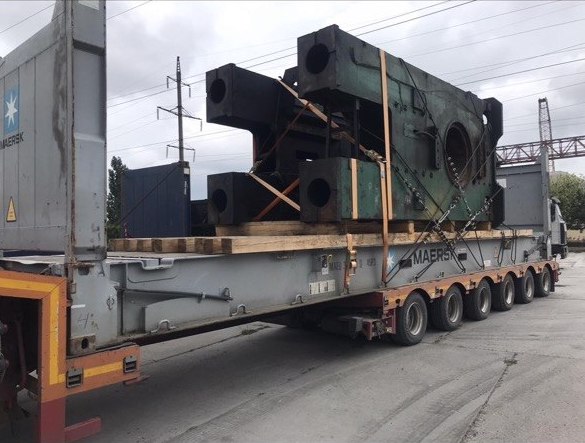
Different types of equipment, different load application points and different transport configurations.
A complete transport project is not required for an initial assessment. Basic technical data is sufficient.
Send us the weight, dimensions, drawings or photos and the route. If some details are not yet known, we can start with the information available.
