01
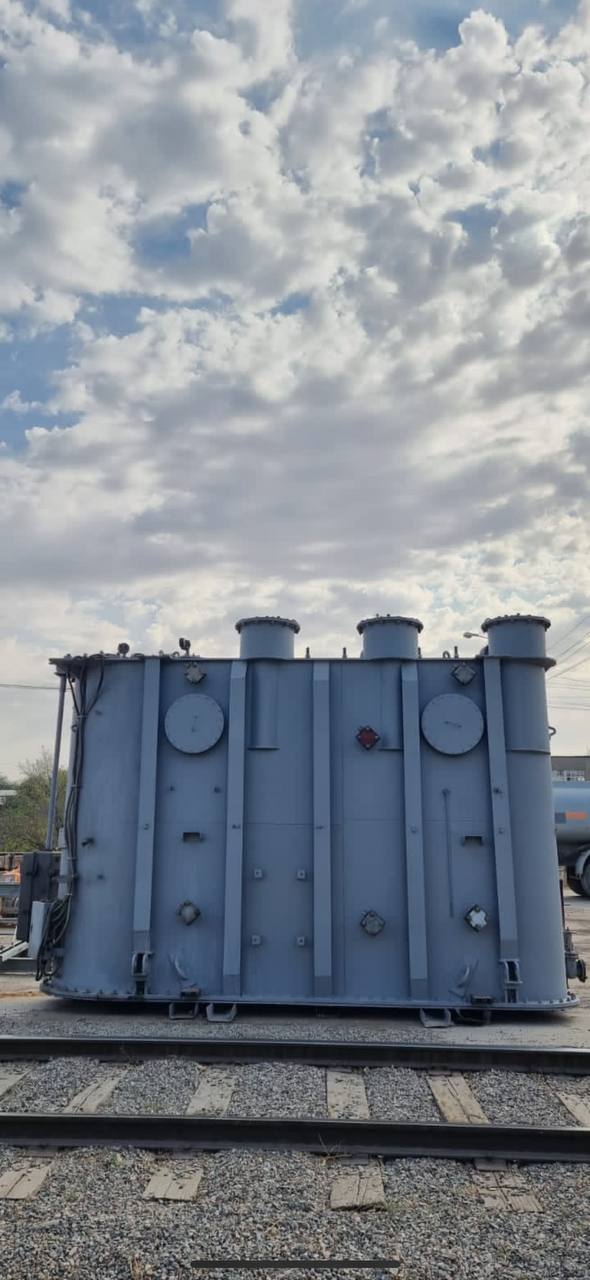
Power transformers
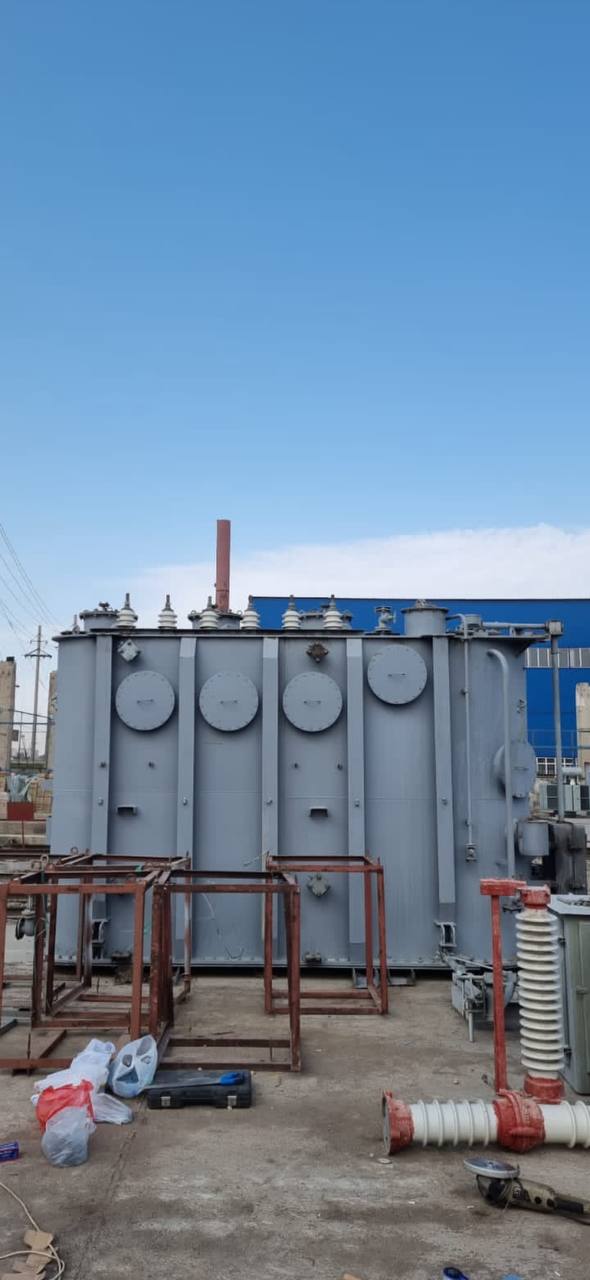
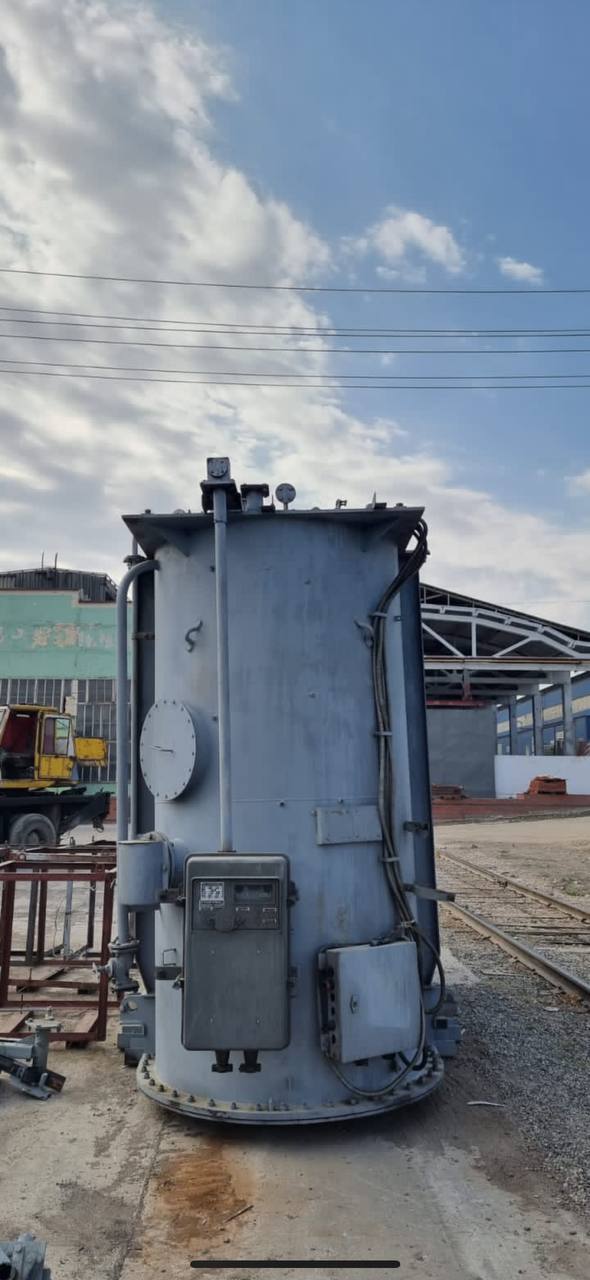
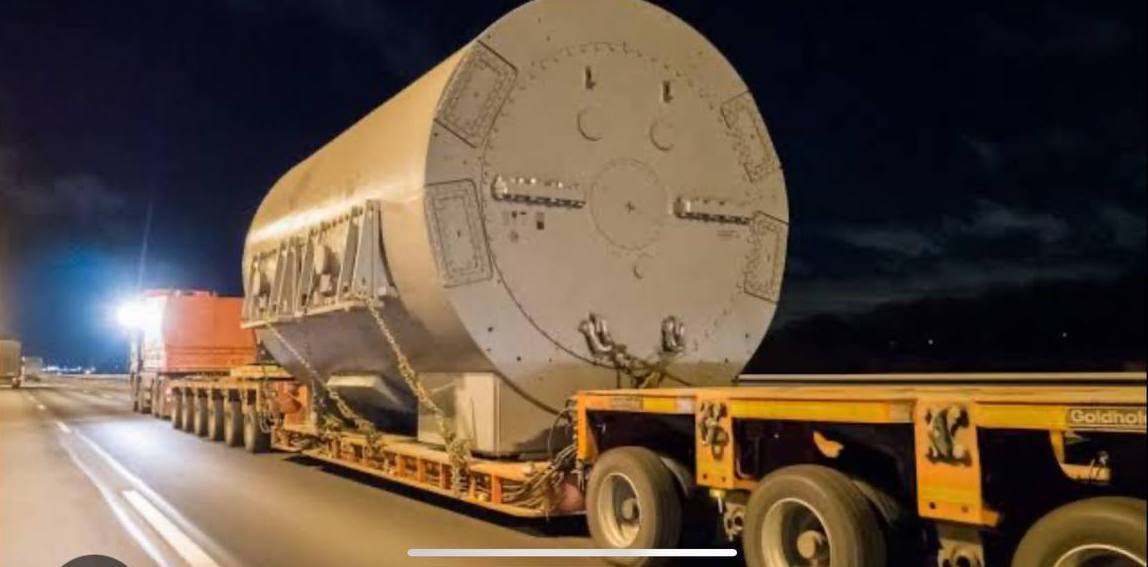
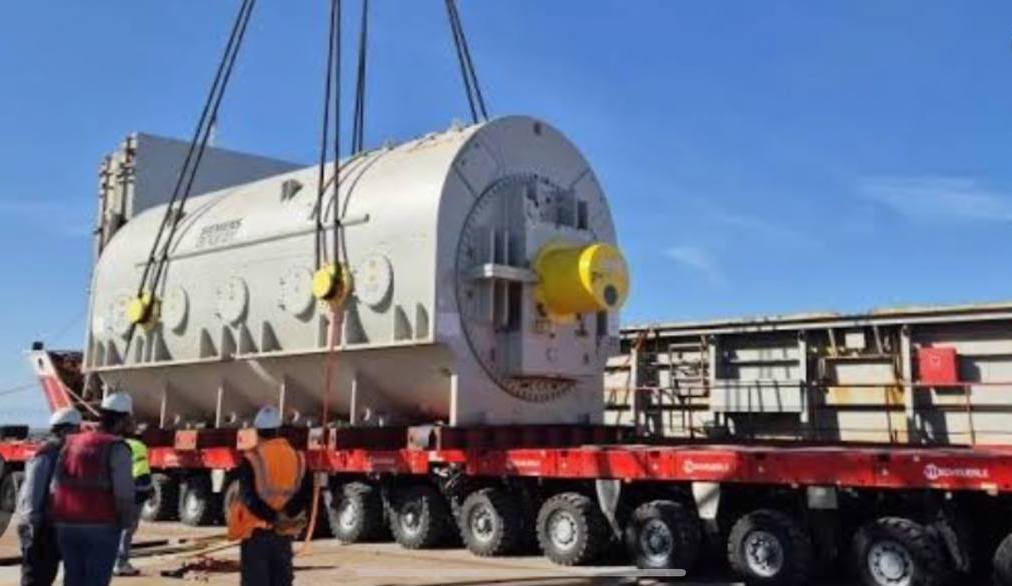
Heavy electrical units with highly concentrated weight and specific support and securing requirements.
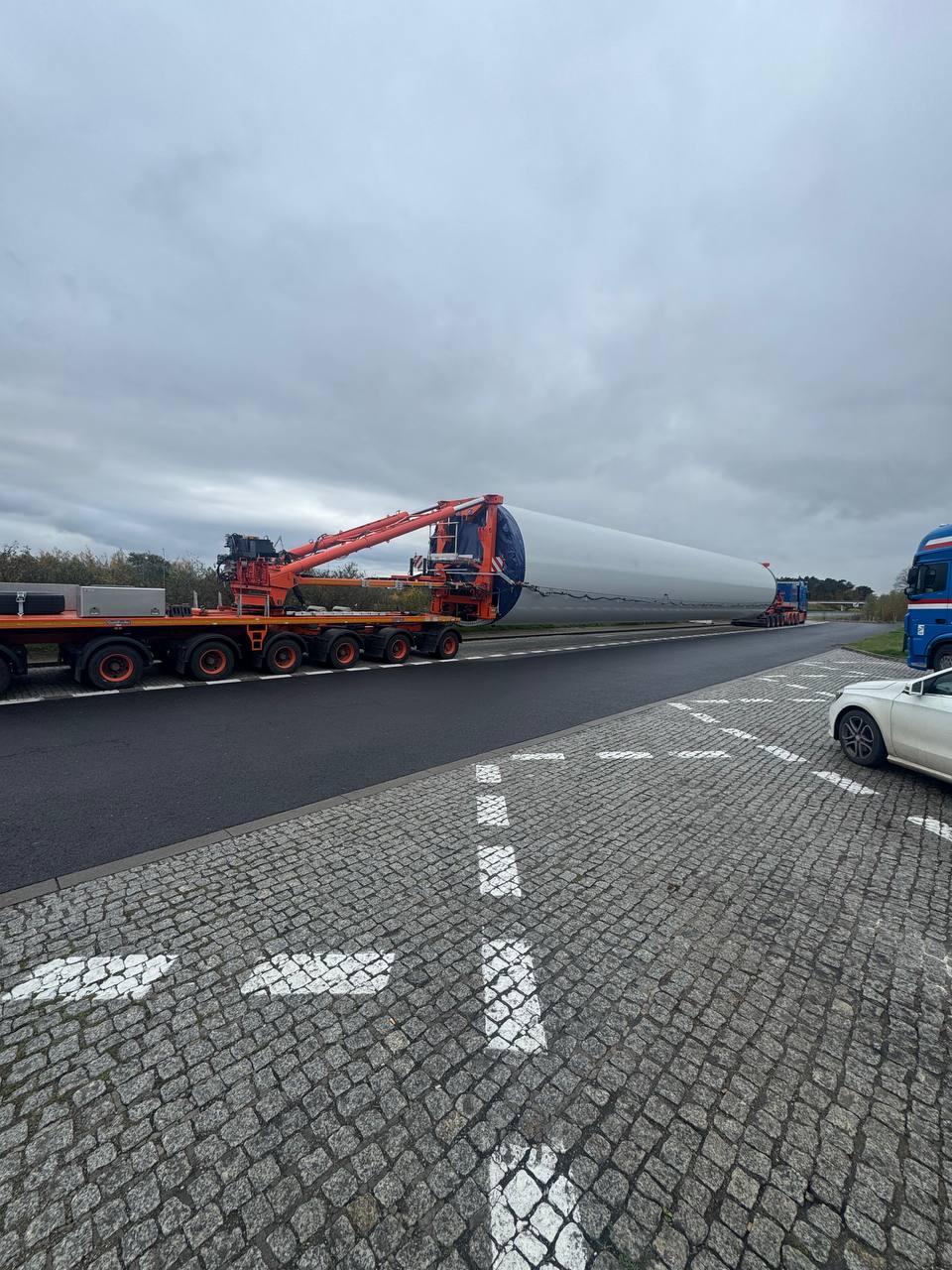
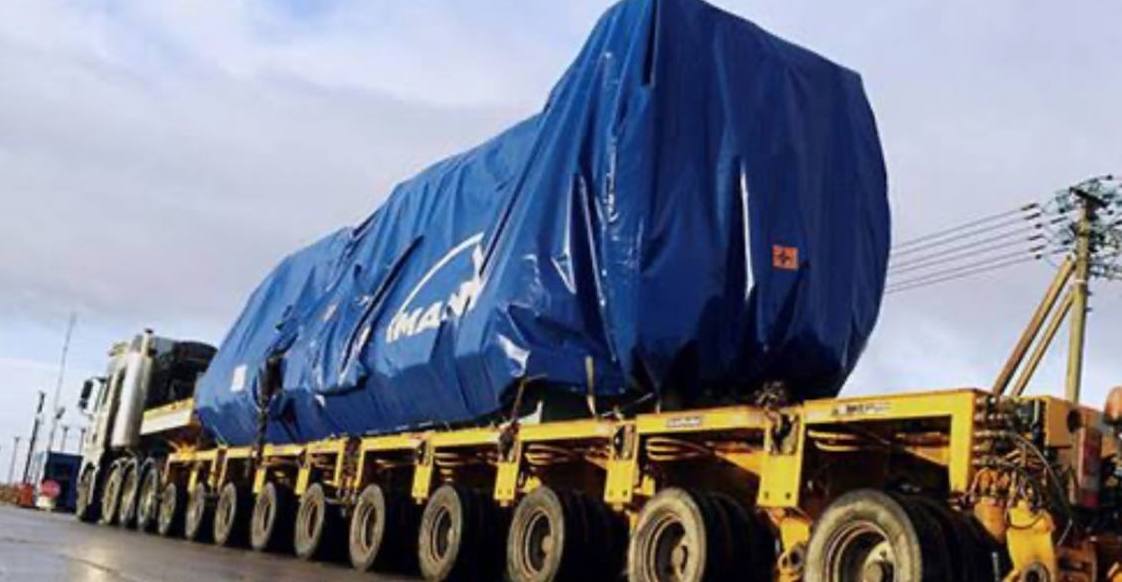
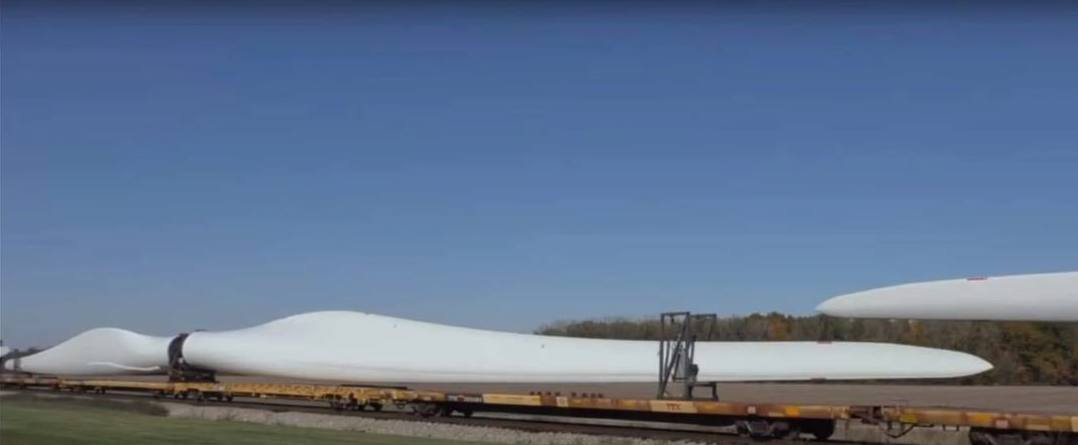
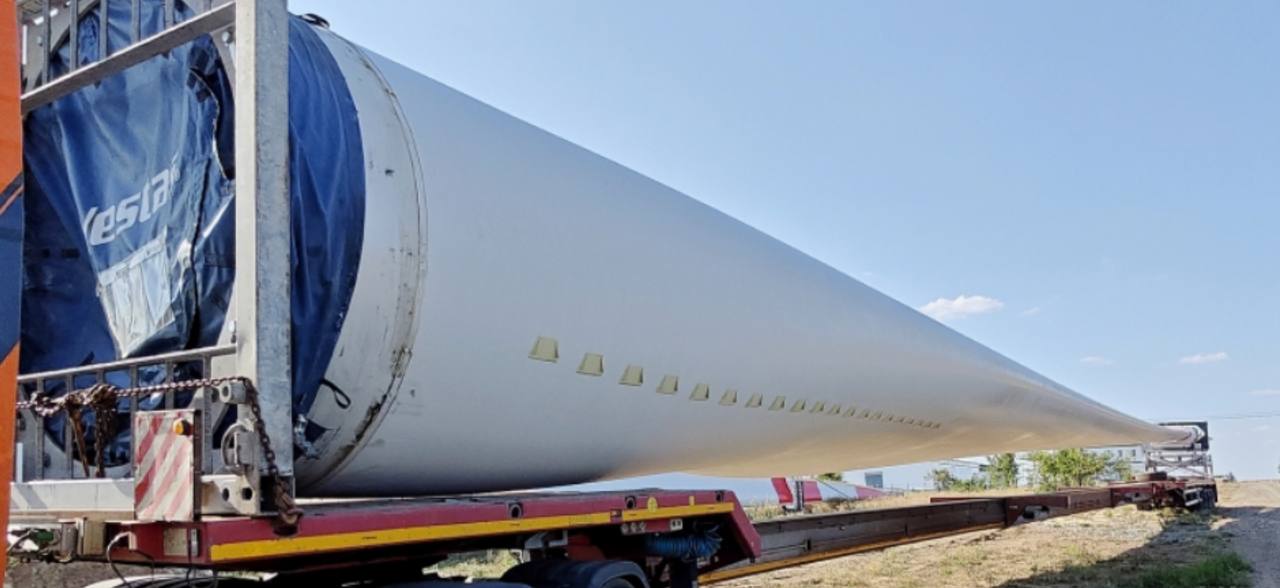
Power transformers, nacelles, hubs, tower sections, wind turbine blades, generators and other heavy energy equipment. We select the transport configuration according to cargo weight, length and geometry, survey the route and organise loading, securing, permits and delivery to site.
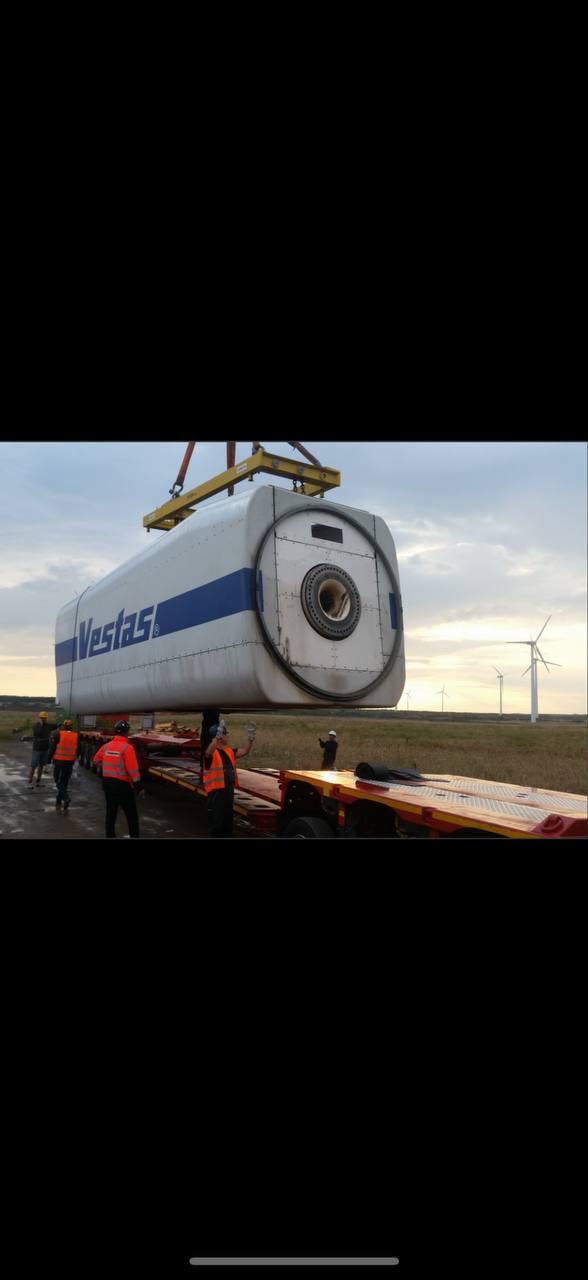
A power transformer, wind turbine nacelle, hub or generator may combine high weight, a high centre of gravity, non-standard geometry, limited support points and sensitive components.
Transport is therefore treated as part of the overall engineering solution: the equipment is prepared for transport, its transport condition is defined, together with its position on the platform and the actual dimensions of the complete vehicle combination.
Weight, transport height, centre of gravity and loading requirements are determined by the design of the specific equipment.
Heavy electrical units with highly concentrated weight and specific support and securing requirements.
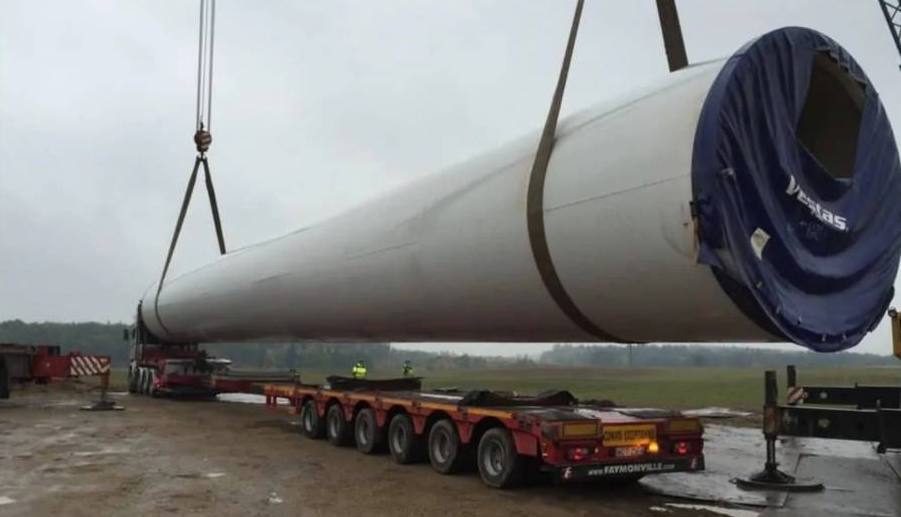
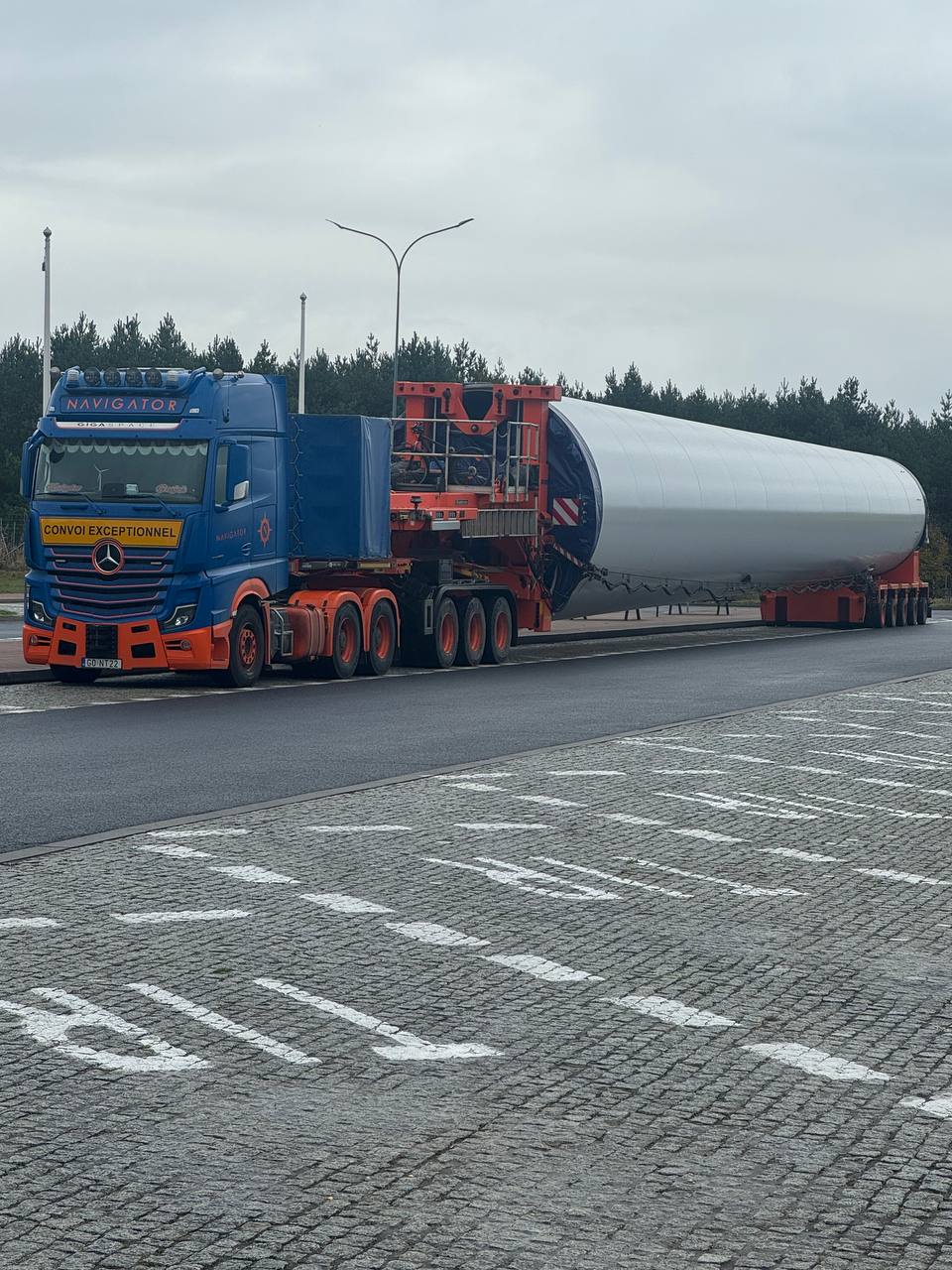
Nacelles, hubs, tower sections and other oversized components of wind energy installations.
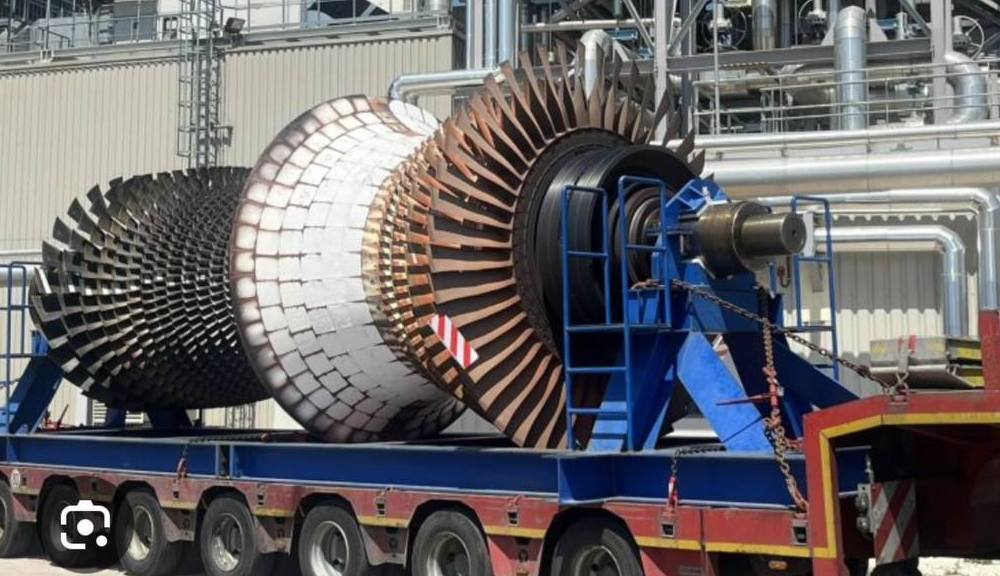
Large process modules for power plants and energy facilities that require an individual transport solution.
For transformers, nacelles, hubs and generator units, we analyse the actual transport condition, centre of gravity, support points, cargo geometry and the final parameters of the vehicle combination.
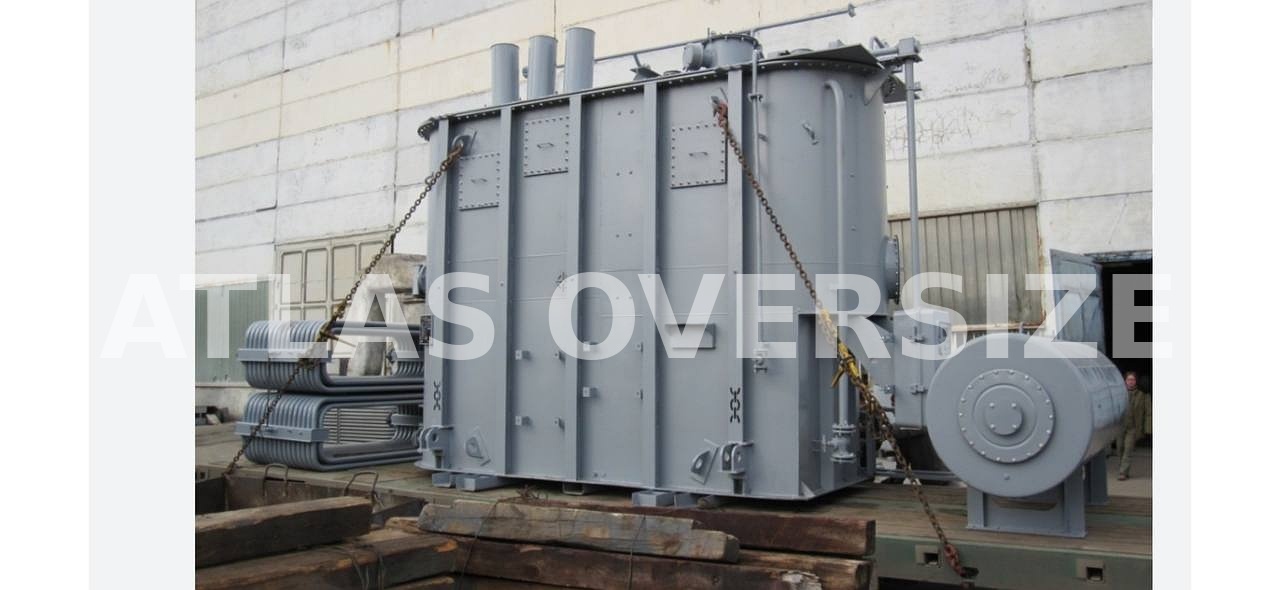
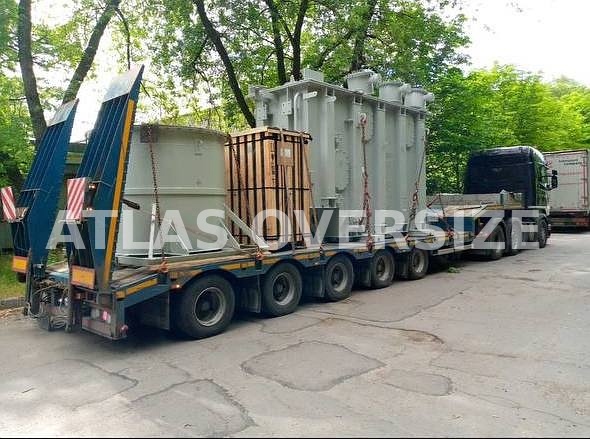
The purpose of preparation is to reduce dimensions, protect sensitive components and create a configuration suitable for safe transport along the selected route.
Sensitive protruding components are transported separately where required.
Removing individual components can significantly reduce transport dimensions.
Individual components are planned as separate transport units.
After preparation, the equipment positioning and securing arrangement is defined.
For heavy energy equipment, it is not only the carrying capacity that matters. Weight must be distributed across the axle lines while maintaining an acceptable transport height.
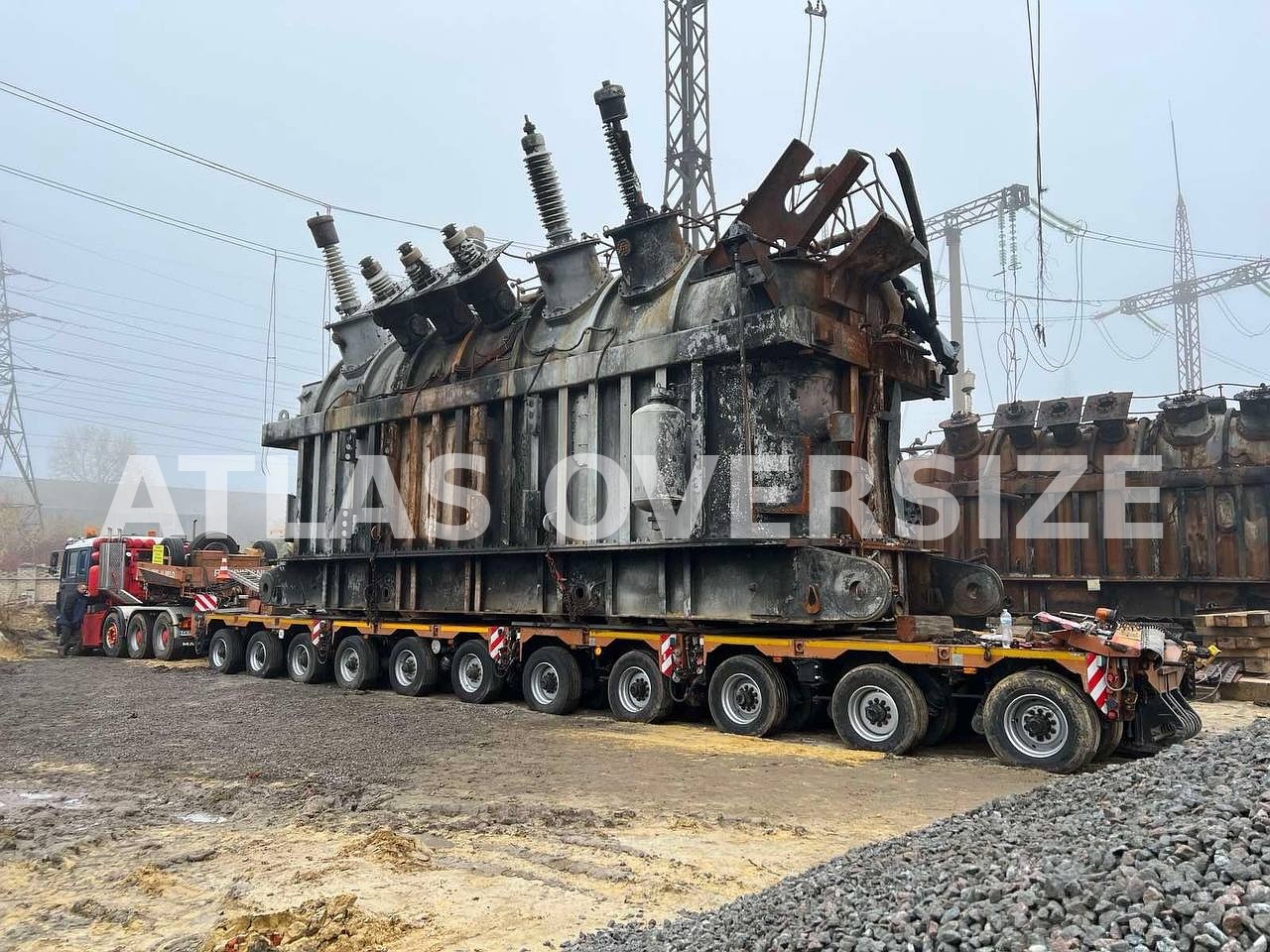
Once the platform and transport condition of the equipment are defined, the actual vehicle dimensions are known. The entire route to the site is analysed using these parameters.
For transformers, bridges and axle loads are critical, while for wind turbine components, vehicle length, turning radii, lateral obstacles, gradients and access to the wind farm are also important.
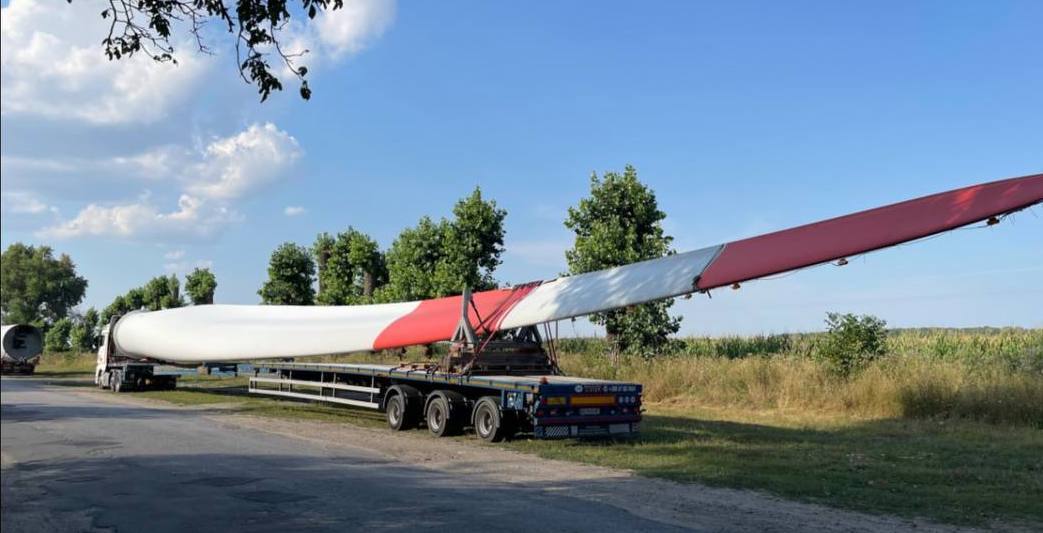
The main route may be technically passable, but access to a substation, power plant or wind farm requires separate inspection and preparation.
We analyse internal roads, turns, gradients, gate width, site condition and the ability to position the transport for unloading or installation.
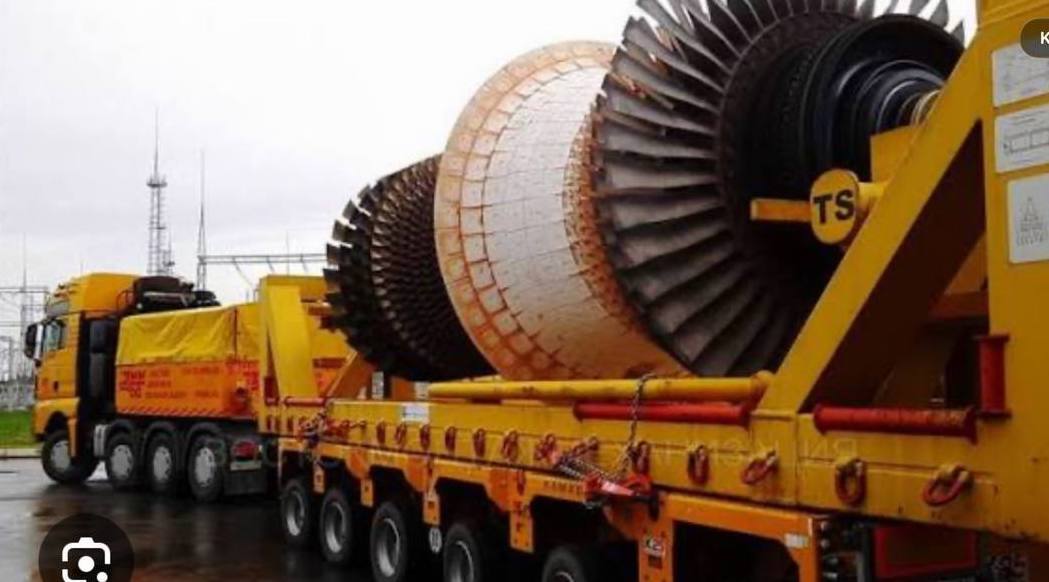
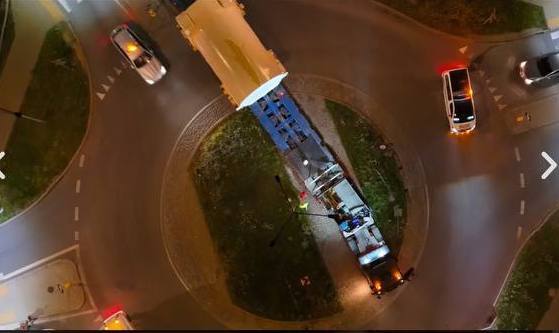
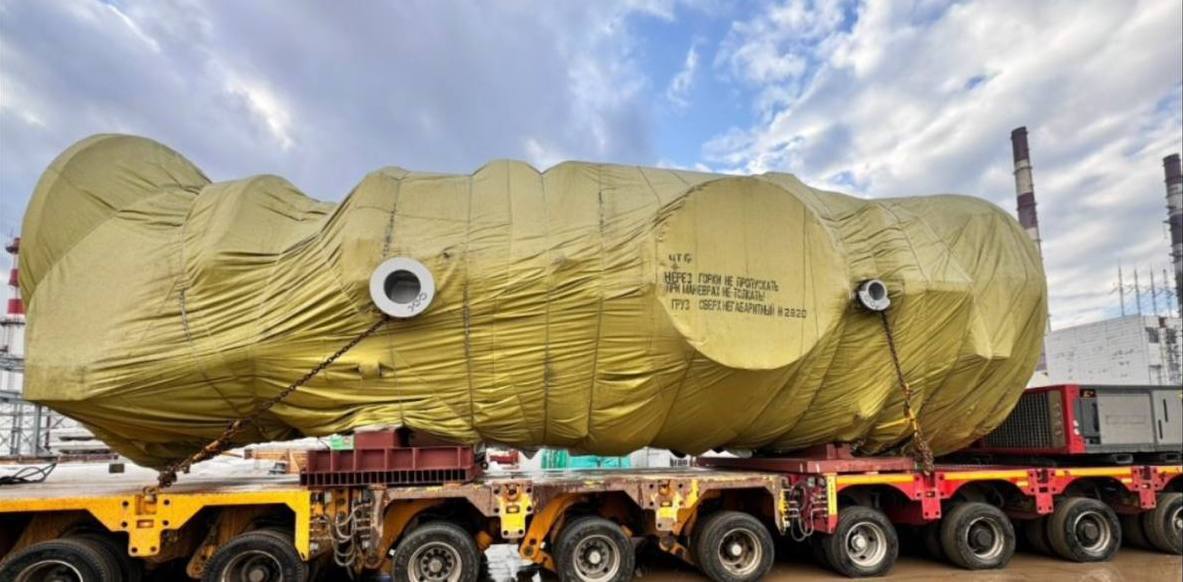
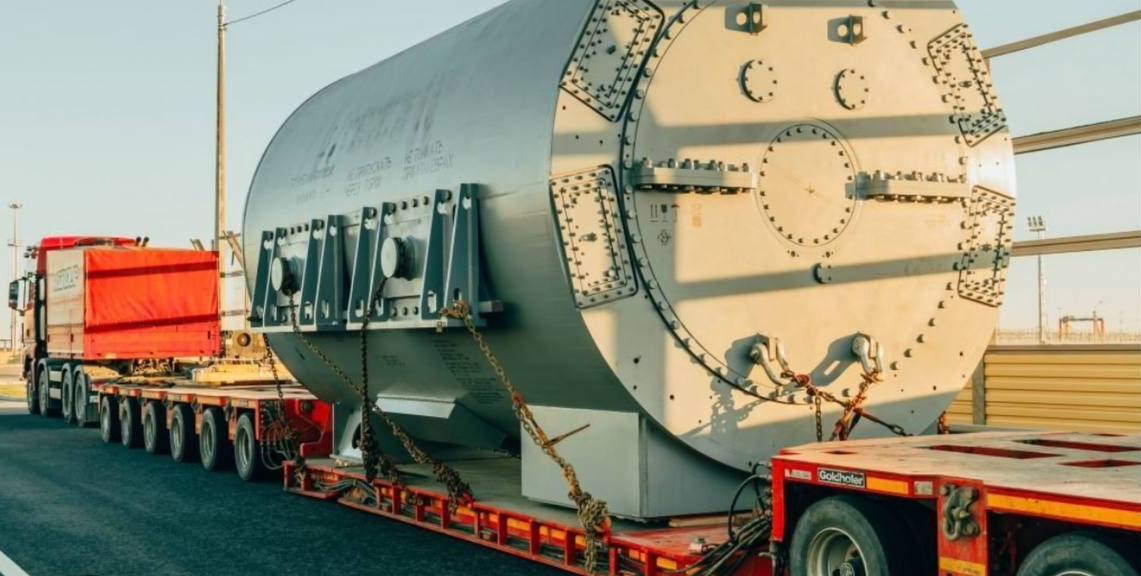
Transport of power transformers, wind turbine components, generator and turbine units. The gallery includes previously added photos together with a new series of project images.
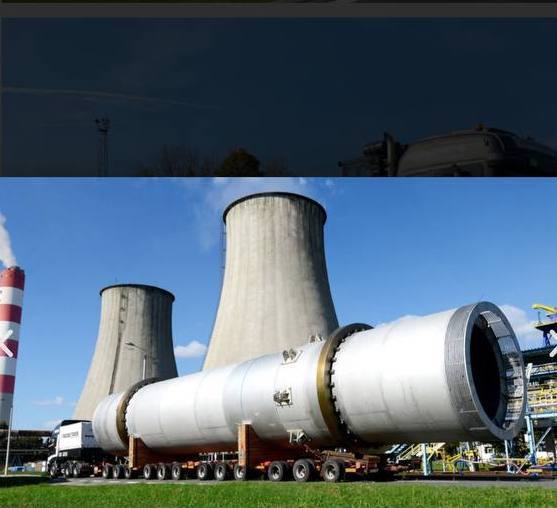
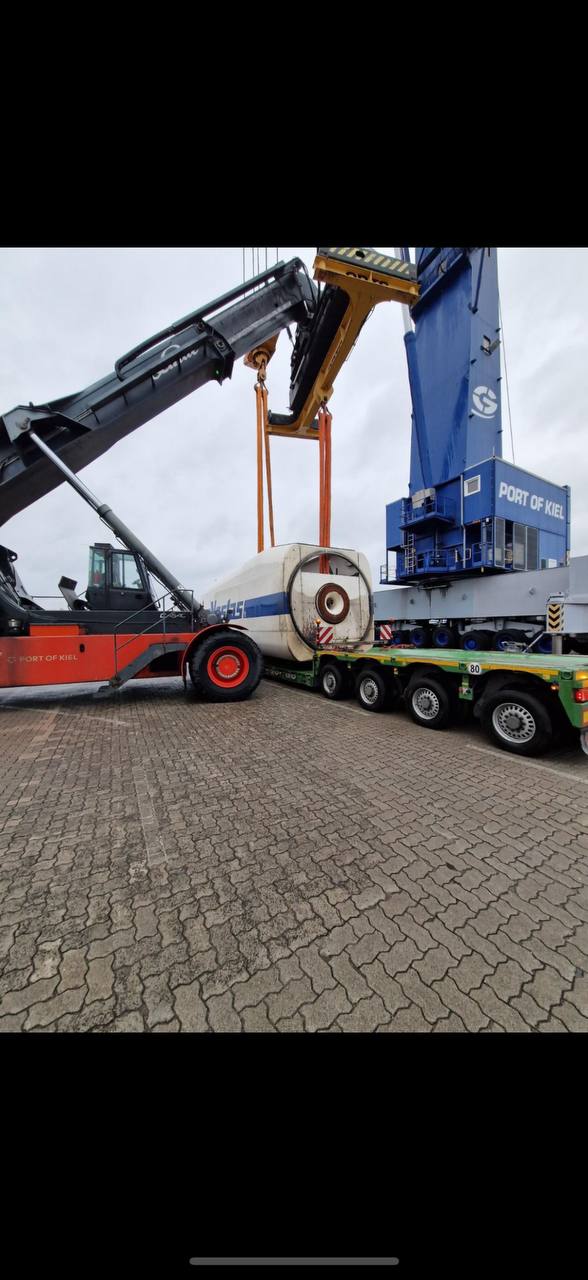
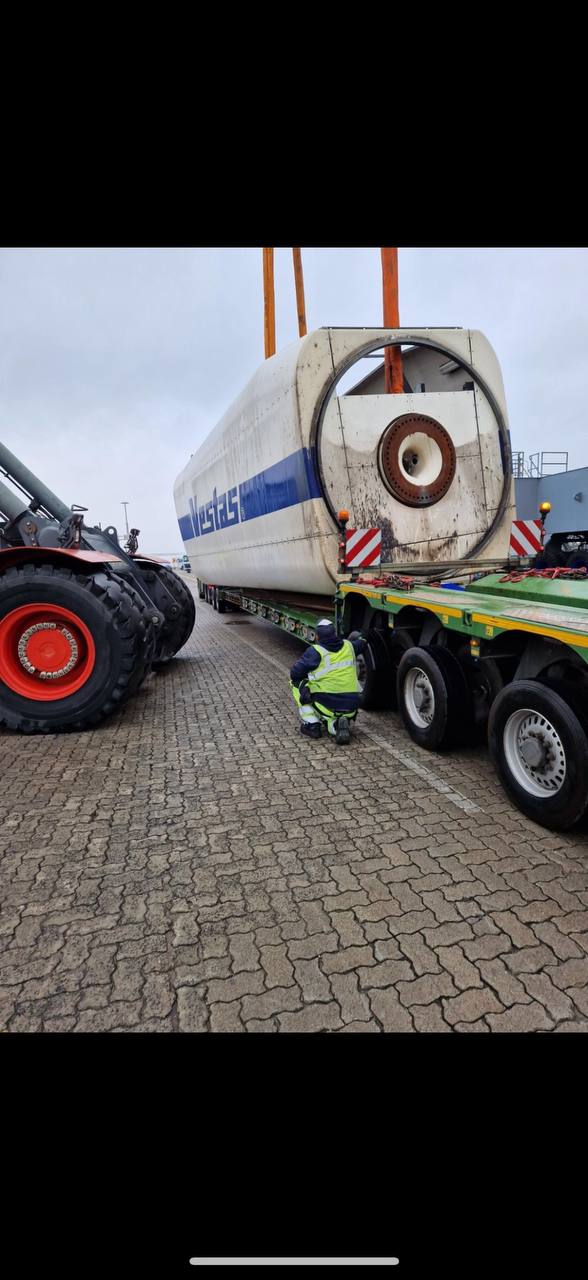
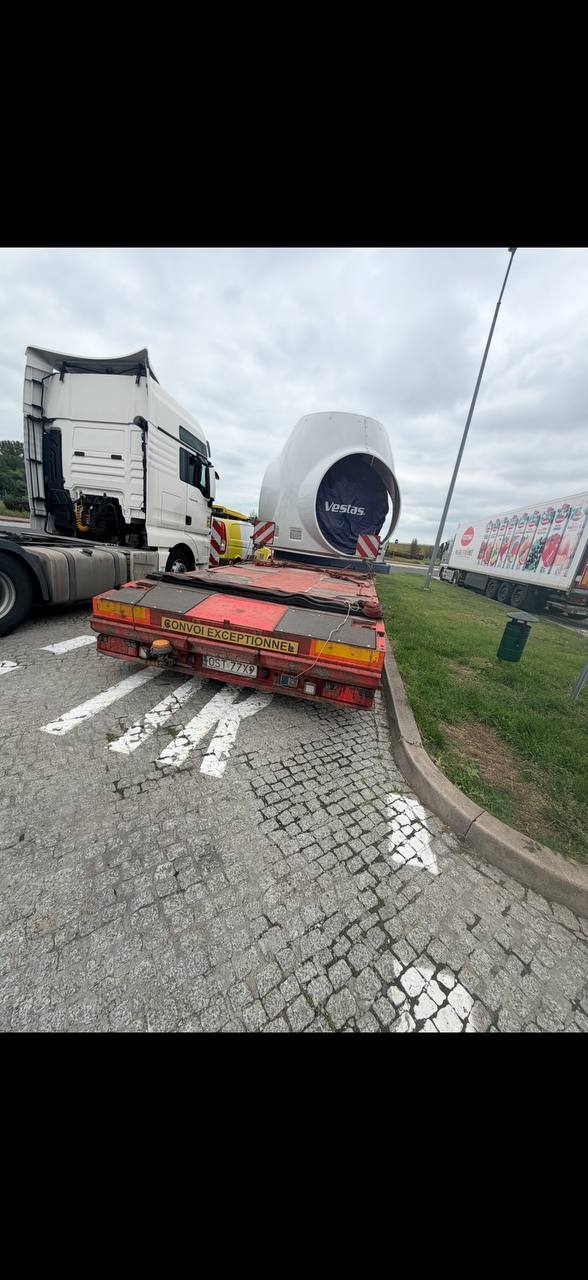
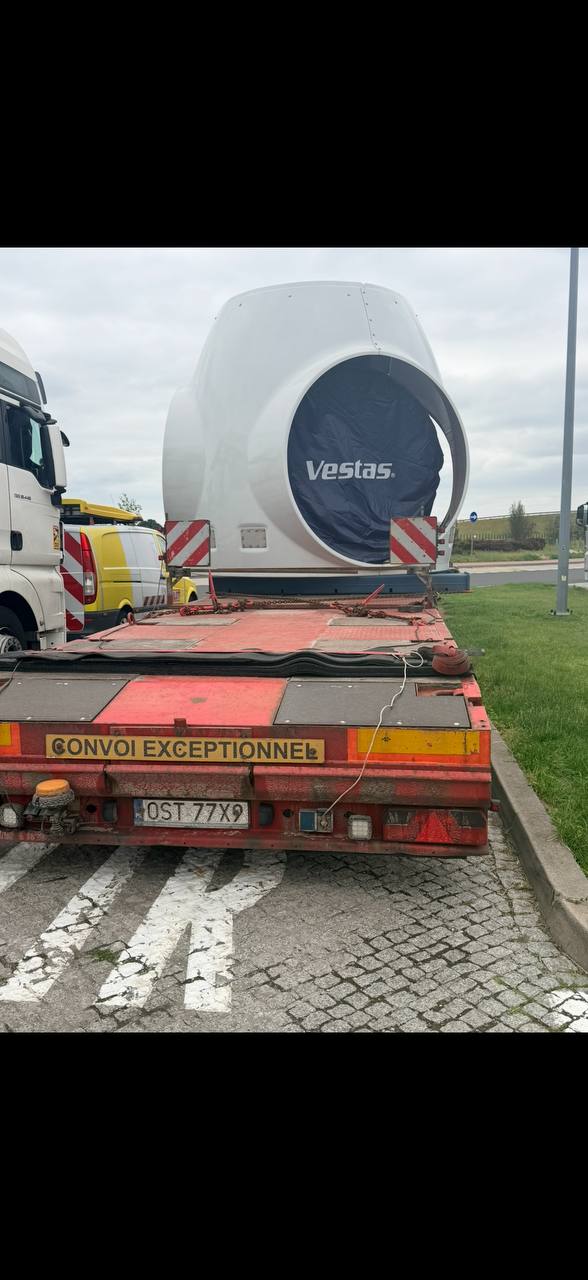
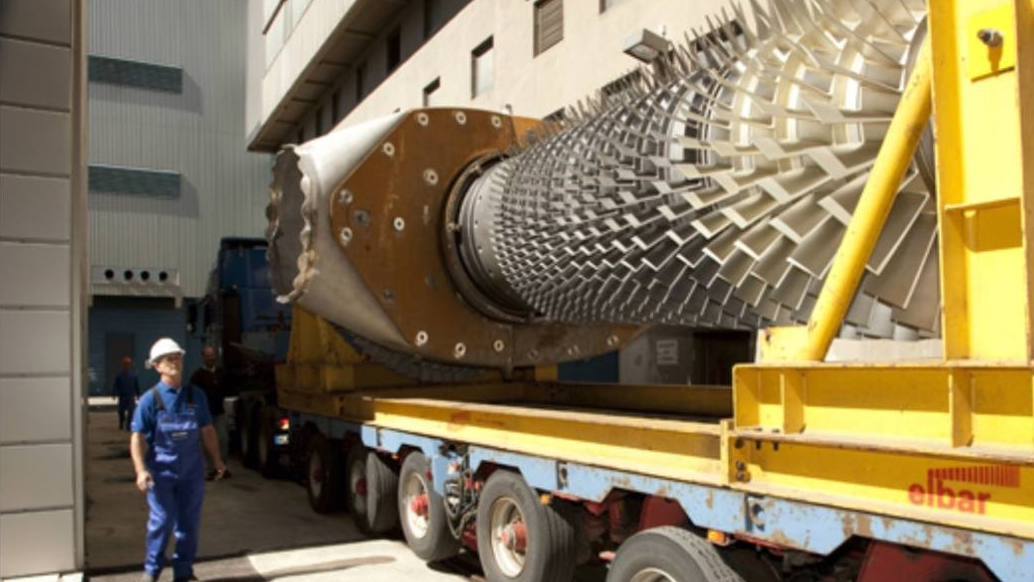
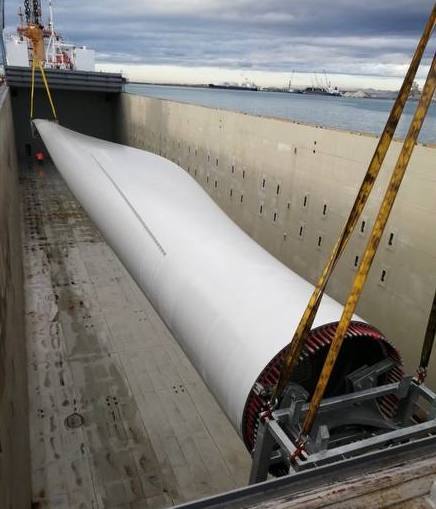
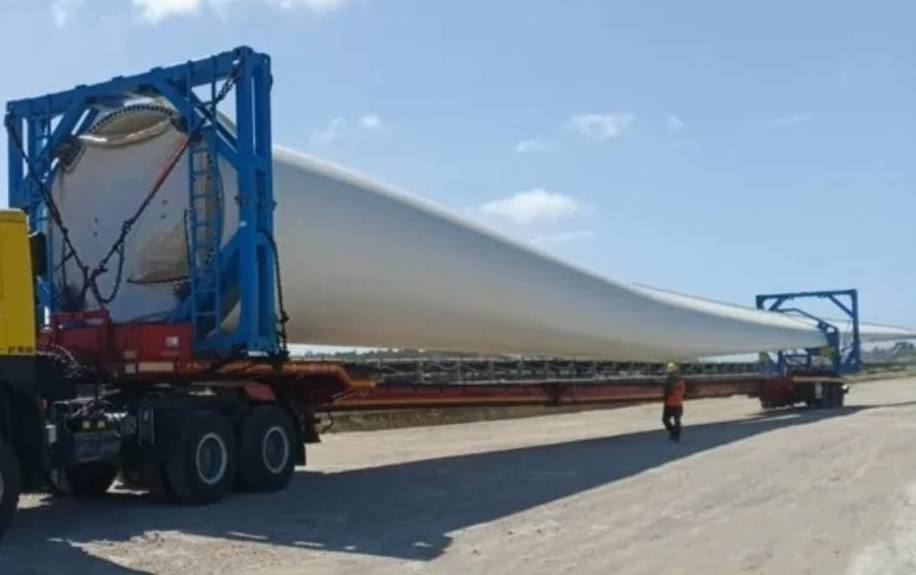
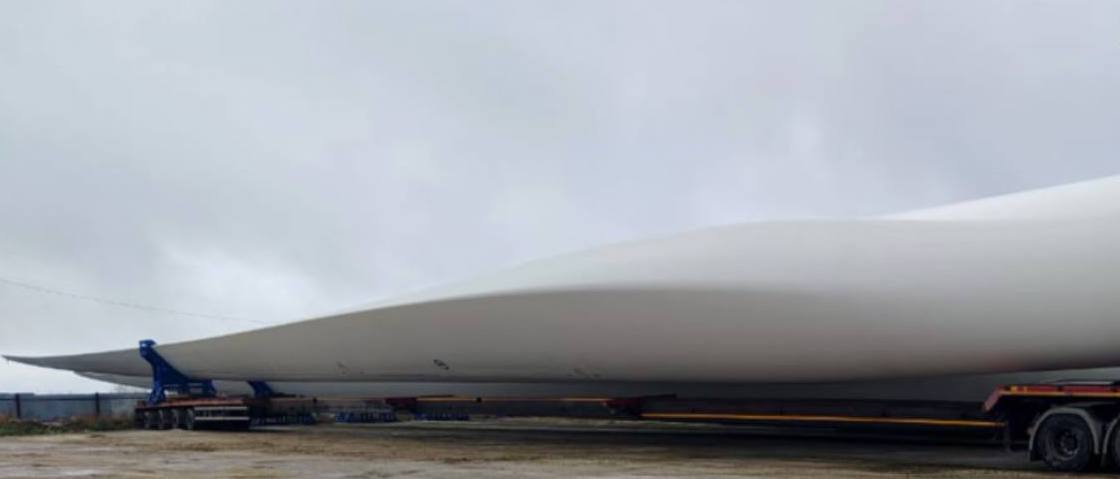
For an initial assessment, the basic equipment parameters and information about loading and delivery points are sufficient.
Send us the weight, dimensions, technical data sheet or photos and the route. If some information is not yet known, we can start with the data available.
